
Case Studies — How We Process Different Parts
Three parts from our machines, and the process and inspection steps behind each one — methods we use every day, from DFM review to final inspection.
How Material and Shape Decide the Process
Each card is one part we run repeatedly — what it’s made of, where it usually goes wrong, which process route we use, and what we inspect before it ships. All three start the same way: a DFM check of your drawing before any metal is cut.
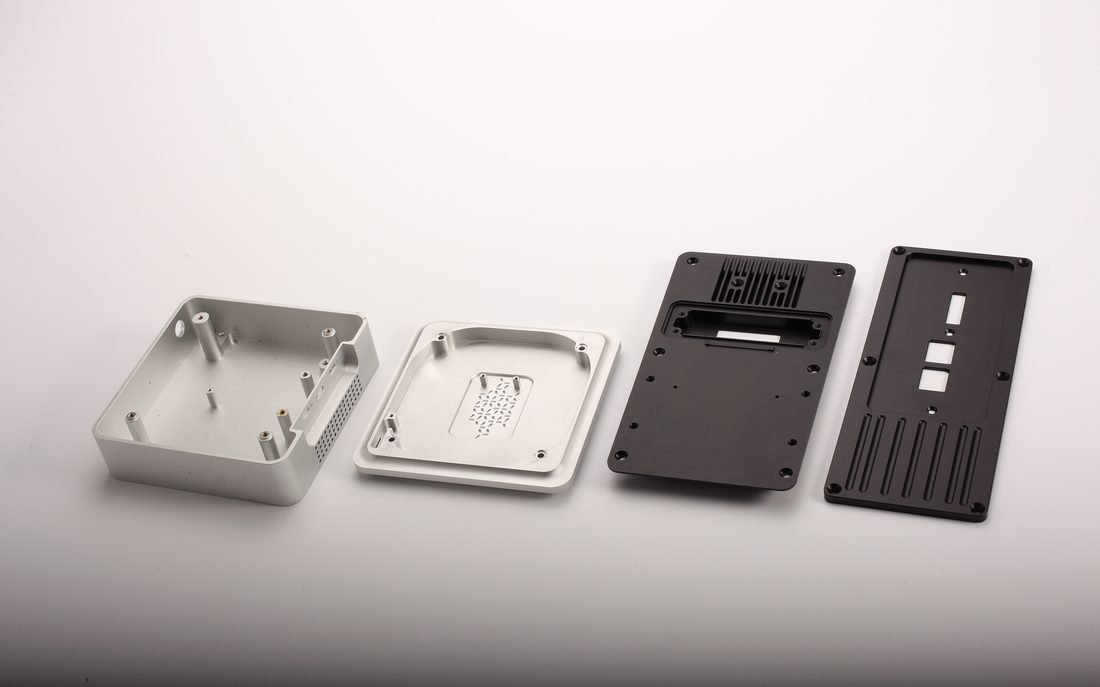
Machined Aluminum Housings: Appearance and Coating Tolerance
CNC-milled aluminum housings for handheld and desktop devices. The cosmetic faces have to come off the machine clean, and anodizing changes dimensions — so we machine to pre-coating sizes, anodize through a qualified partner, then check color against the approved sample, dimensions after coating and every cosmetic face before packing.
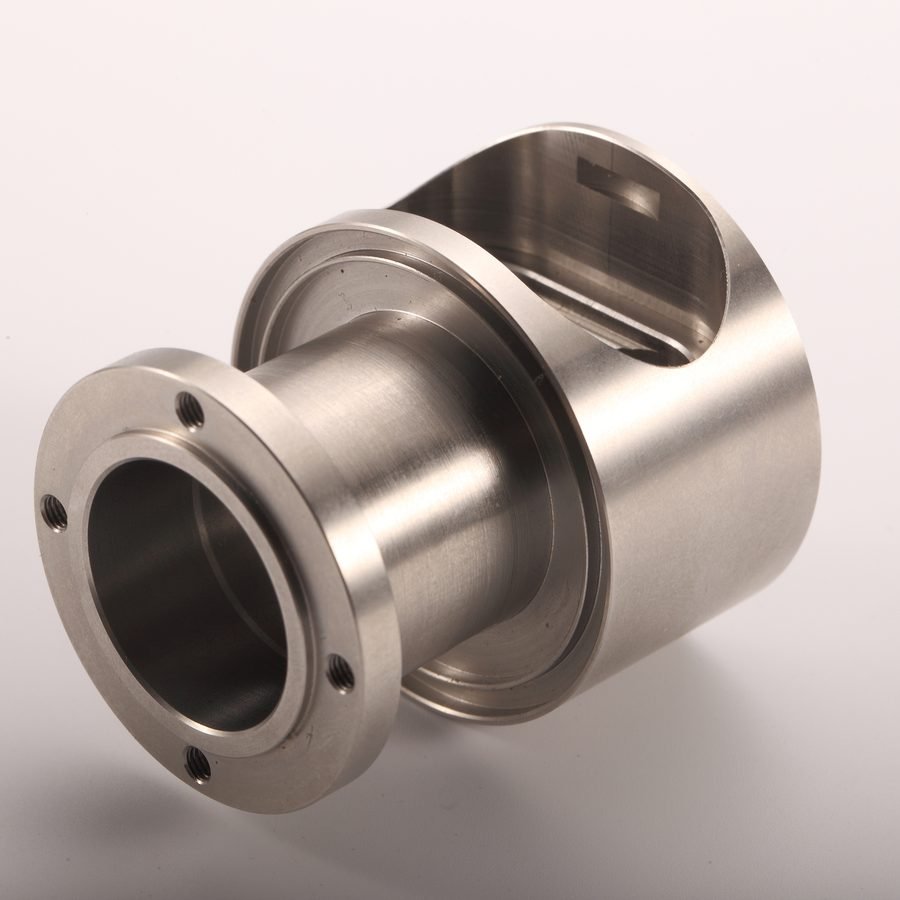
Turned Stainless Fittings: Threads and Sealing Faces
Stainless fittings for fluid and pneumatic assemblies rarely fail on the easy diameters — they fail on thread fit and on the sealing face. We turn them in-house, gauge threads with go/no-go gauges, hold the sealing face flat and smooth, and check those features in-process per drawing.
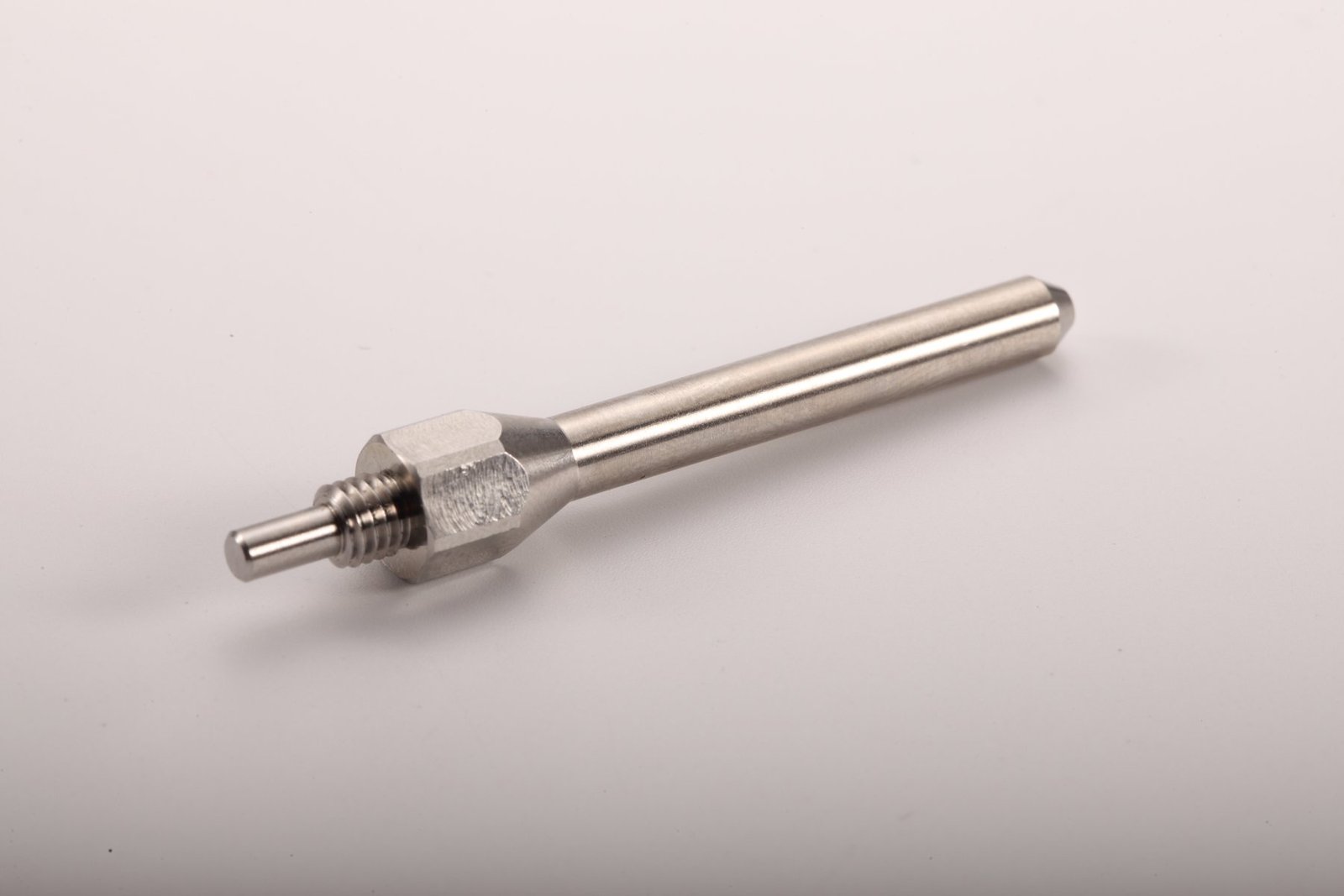
Swiss-Turned Stainless Pins: Concentricity on Slender Parts
Small-diameter pins and shafts deflect on an ordinary lathe. On our Japanese Tsugami Swiss-type machines the guide bushing supports the bar right at the cutting point, holding concentricity and surface finish on long, thin parts — verified on the first article and sampled through the batch.
Also on these machines every week: sensor housings, connector bodies, bushings and small bracket families — send the drawing and we’ll quote the route.
About These Case Studies
Each study describes the machining method and inspection steps we use for that type of part. Drawings, first-article reports and customer references are shared during technical discussions, under NDA when needed — we do not publish customer names or drawings without permission. Have a similar part? Send us your drawing for a free DFM review.
Send Your Drawing →Ready to Start Your Next Project?
Upload your 2D/3D drawing — STEP, IGES, DWG, PDF, STL or ZIP — and get a quote with free DFM feedback in about one working day.