Two suppliers quote the same part at 0.90 and 2.70 per piece, and both numbers can be honest. The difference is almost always in what each quote includes, which line items are one-time, and how much of the risk each side is carrying. Comparing quotes is really a matter of comparing definitions.
The five parts of a machining quote
One-time costs
- Programming and setup. CAM programming, machine setup, and the trial cut. Paid once per part number, per machine type.
- Fixtures and tooling. Soft jaws, a dedicated fixture, or a custom form tool. Shared across the batch, and often reusable on the next order.
- First article inspection. The measured report on the first good part. Optional on simple parts, essential on anything that has to fit something else.
Per-part costs
- Material plus yield. Bar or plate price is only part of it — cut-off, the material lost to the vice, and scrapped parts all belong here.
- Machine time. The real driver. Cycle time comes from geometry, tolerance and tool changes far more than from part size.
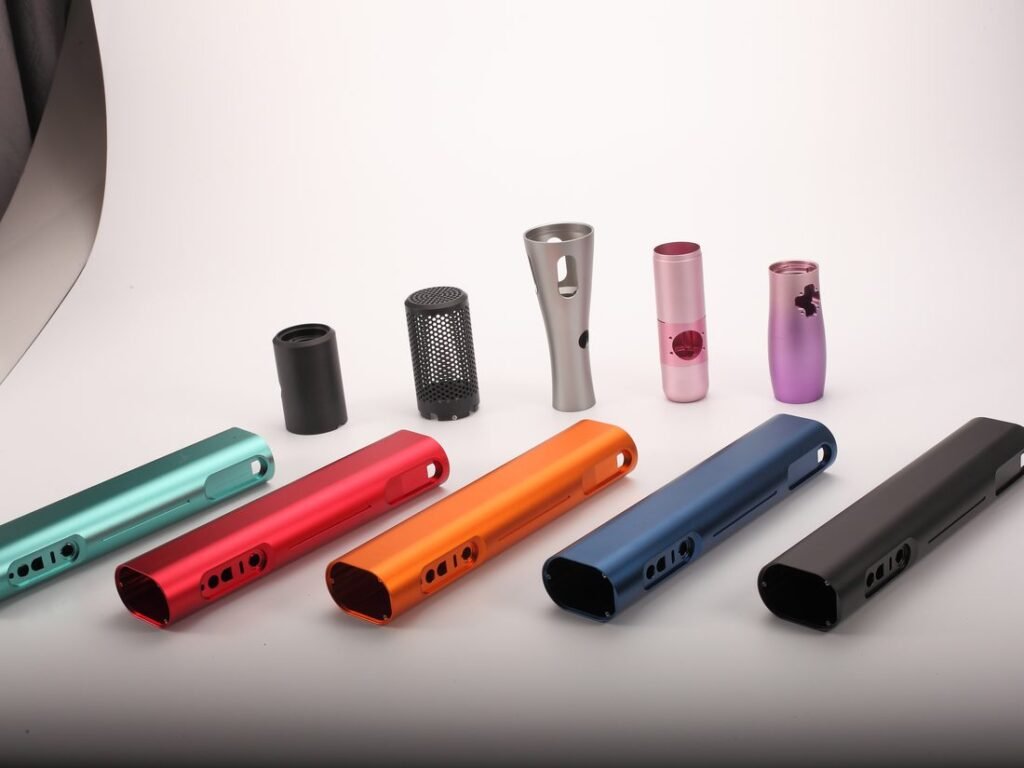
- Finishing. Anodising, plating, bead blasting, laser marking — often bought from a partner network, priced per batch or per part.
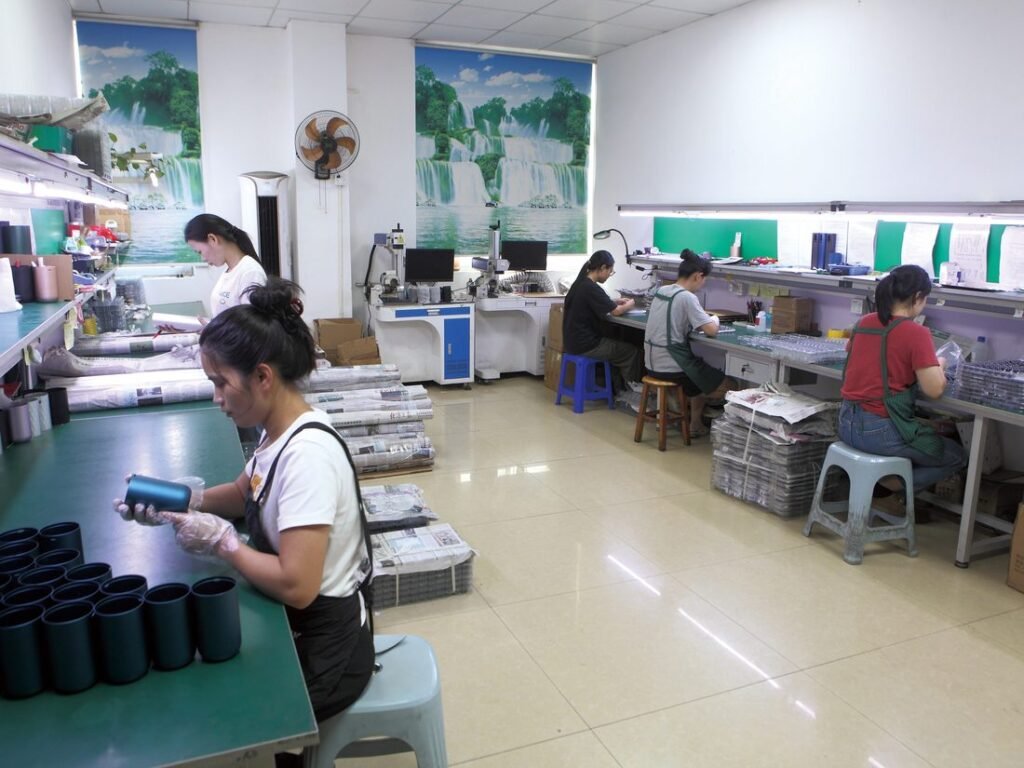
- Inspection and packaging. In-process checks, final inspection, foam separation, bagging, labels.
Logistics and terms
Freight, duties, expedite fees, and the terms the price is quoted in (EXW, FOB, or delivered). Two quotes can differ purely because one is door-to-door and the other stops at the port.
How quantity changes the shape of the quote
The illustration below is a structure, not a price list — the point is which numbers move when the quantity changes.
| Line item | 25 pieces | 250 pieces | What changes |
|---|---|---|---|
| Programming & setup | Charged once | Same | Does not scale — spread over more parts |
| Fixture / tooling | Charged once | Same | Amortised, sometimes re-used later |
| Material | Retail-cut bar | Mill run | Lower unit price and lower yield loss |
| Machine time | Per part | Per part | Almost flat — this is the floor price |
| Finishing | Minimum batch charge | Per part | Large drop on small quantities |
| Inspection | 100% on small batches | Sampled | Falls per part as volume rises |
What pushes a price up
- Tight tolerances across many dimensions — more measuring, more scrap, slower feeds.
- Hard materials and gummy ones — tool life and cycle time both suffer.
- Thin walls, deep pockets, small internal radii — the tooling problem again.
- Extra set-ups for features that cannot be reached in one orientation.
- Cosmetic requirements where the finish has to match a sample across batches.
- Very low quantities — you are paying mostly for setup.
Six questions that make quotes comparable
- Is the quoted price per part or for the whole batch?
- Which line items are one-time, and what is the price for a repeat order?
- What quantity breaks did you use, and what happens at twice the volume?
- What is included in inspection — and what does a full first article report cost?
- Are finishing and freight in the number, and on what Incoterm?
- What is the lead time from order, and what would expedite cost?
Red flags worth asking about
A quote with no breakdown and no tolerance discussion. A lead time far shorter than everyone else’s on a difficult part. A price that ignores tooling entirely — that cost usually reappears later as a change order. And a supplier who will not tell you which feature drives the price: it usually means they have not looked at the model closely.
One-time costs and per-part costs are listed separately, every file gets a short DFM note, and the quote says which tolerance we are paying for. Ask for a quote breakdown and we will send it — email info@xinwinfhardware.com.
If you want the design side of the same story, start with our DFM checklist, or look at how an order runs from drawing to shipment.

We quote, program, machine and inspect custom parts in Shenzhen — turning, milling, Swiss-type and finishing. Everything in this blog comes from drawings we have actually run, including the mistakes. Questions about your part? Email info@xinwinfhardware.com.